A conversation about the new creator economy, and a trip down memory lane
An interview by Cheryl Fuerte
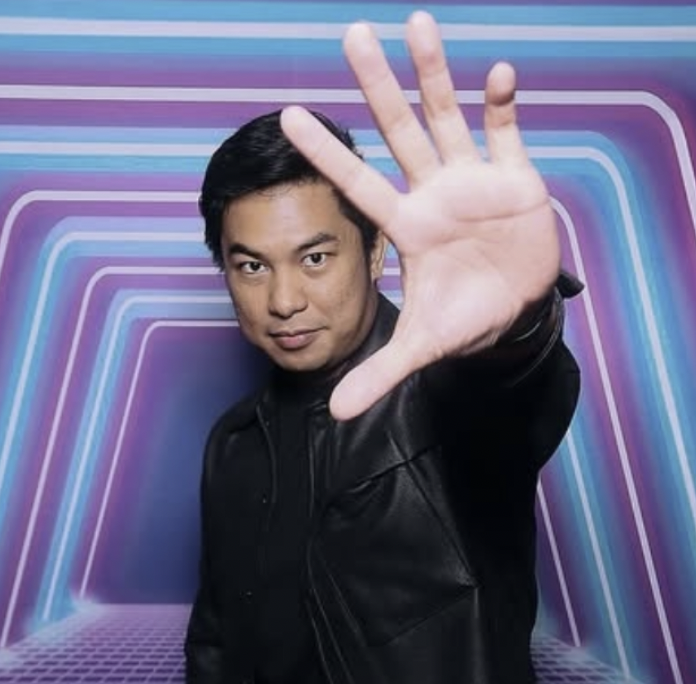
Over the past two decades, David Choi has helped define what independent music on YouTube could become. He began uploading original songs in 2006, breaking through after his video entitled “YouTube A Love Song” was featured on YouTube’s homepage, which led to his amazing collaborations with the talented team at Wong Fu Productions and many other creators afterward. Since then, he has amassed 125+ million views and nearly one million subscribers without signing to a major label. Following his success, he also worked with various international commercial brands. David is someone I would consider a pioneer and one of the original YouTube music influencers of our generation.

More than a decade ago, I had the opportunity to work with David on a few YouTube music video collaborations for an Asian fashion e-commerce firm. One of those projects was the official music video for his song “Missing Piece” from the album Forever and Ever. I also worked with him and fellow singer-songwriter Clara Chung on the sponsorship of their 2012 fall tour — a 19-city run across the United States and Canada, and on the sponsorship of his 2012 show in Hong Kong. I always had a great time working with David; he’s extremely talented, has a great personality, and is very professional.

Today, David Choi works as a composer, publisher, and also as the founder of Chois Music Inc., a company which specializes in music rights administration and publishing. He’s also involved in building tools and services that help creators of today better generate revenue from their work.
Q&A with DAVID
David, this is a fascinating full-circle moment where you, one of the early original YouTube creators, is now building tools to help support and empower new and upcoming creators generate revenue from their work. Can you tell us more about this?

David: Yeah, it’s honestly kind of surreal to think about. I started uploading music to YouTube back in 2006 from my bedroom, and now here I am on the business side of the industry.
I got into this world because over the years, I realized a lot of creators, especially YouTube music creators and independent artists, were unintentionally leaving money on the table. Music publishing and royalties can be confusing, and it’s easy to overlook that side of things when you’re focused on making content.
So through CHOIS MUSIC, we’ve been focused on music publishing administration – helping songwriters, publishers, and rights holders properly register works, protect ownership, and collect royalties. That includes income tied to YouTube, streaming, performance royalties, and broader publishing revenue. In simple terms, it’s making sure the back-end is set up correctly so the front-end growth can actually turn into long-term income.
I’m also working on tools that leverage AI and streamlined workflows to make this more straightforward and transparent. The goal is to help creators build real, sustainable revenue around the music they’re already making while keeping ownership and control in the right place.
“The goal is to help creators build real, sustainable revenue around the music they’re already making while keeping ownership and control in the right place.”
Aside from that, what have you been up to recently? I read that you’ve expanded into scoring and writing music for television and film, and that, as a family man, you’ve also set up The Good Kids Company, dedicated to creating music for children.

David: I’m definitely keeping myself busy! When I have the time, I do film and TV scoring, which has been really creatively fulfilling. Writing for picture is a totally different muscle than writing a standalone song – it’s less about “me” and more about supporting the story, the director’s vision, and the emotion in the scene. I’ve really enjoyed that shift.
On the family side, becoming a husband and a dad definitely rewired my brain. That’s a big reason I started The Good Kids Company – I wanted to create children’s music that’s actually high-quality, musically solid, and teaches something meaningful. Something fun for kids, but also something parents don’t mind having on repeat. Honestly, I didn’t love what was out there.
So I’m still composing and creating kids’ music, but I’m mostly focused on expanding the music publishing and music rights administration side through CHOIS MUSIC. And “vibe coding” has also been extremely fun – building tools and iterating, and I’ve started incorporating that into nearly every part of my workflow.
“I wanted to create children’s music that’s actually high-quality, musically solid, and teaches something meaningful. Something fun for kids, but also something parents don’t mind having on repeat. Honestly, I didn’t love what was out there.”
It’s been such a long time since we last worked together, but I had a great time collaborating with you on those YouTube music videos. For me, it was such an epic era — your partnerships with Wong Fu Productions, Clara C, Kina Grannis, Ellen Wong, Ryan Higa, and other YouTube creators definitely made a mark back then. I never got to ask you this before, but always curious. What’s your songwriting process, and who’s your biggest musical influence? You’ve written so many beautiful songs.

David: Thanks! That era really was special. It was the early days of YouTube creators where everyone was experimenting, collaborating, and building real community.
As far as my songwriting process, it usually starts pretty simply. I’ll mess around on guitar or piano until I land on a chord progression that gives me a feeling. Sometimes I’ll start with a melody idea first. If it feels right, I’ll build from there. A lot of my songs came from everyday life, like relationships, insecurity, gratitude, and love. I’m not the kind of writer who sits down like, “Okay, time to write a hit” (I wish I was good at that). It’s more like I’m trying to capture something honest in a specific moment, and then I polish it until I’m happy with it.
Influence-wise, I love jazz and ’60s and ’70s music the most. And I’ve always been drawn to great pop melodies with interesting chord progressions, tied together with honest lyrics. That mix has probably shaped my sound more than anything, whether I’m writing a YouTube song or composing for film and TV.

“That era really was special. It was the early days of YouTube creators where everyone was experimenting, collaborating, and building real community.“


I’m sure they’re all your favorites, but what are your top three favorite YouTube projects and why?
David: That’s tough, but I can narrow it down.
First, “YouTube A Love Song” obviously. That one basically introduced me to the world and helped define my whole journey as a YouTube musician. It was simple, in the moment, honest, and it connected at the perfect time. It’s also a good reminder that you don’t need a huge budget to create something that can genuinely change the course of your life.
“YouTube A Love Song” basically introduced me to the world and helped define my whole journey as a YouTube musician.

Second, the projects with Wong Fu Productions (WFP). They helped create my first music video, and over the years they became close friends. Working with them was also one of the first times I really saw how music and storytelling could elevate each other.
Third, I’d say the BgA projects we did with Ryan Higa. Not only did I get to work with one of my closest friends, but it was honestly just fun. It felt like a big hangout with all of our friends, and I still wish we could go back and relive those moments. It was also a bonus that the songs charted on Billboard and iTunes at the time, which was a wild experience for something that started off as a joke.


And what has been the most challenging project for you (and also why)?
David: Honestly, the most challenging project was making the switch from being a full-time YouTube creator to stepping into the tech startup side of the creator economy. The learning curve was rough, and I genuinely didn’t realize how hard the next few years of my life were going to be.
I ran into bad co-founder situations, I made mistakes I had to learn from the hard way, and there were long stretches where I ran out of money and had to seriously question what I was doing. It was also one of the most emotionally difficult periods of my life.
At the same time, there were a lot of wins along the way, and I picked up a ton of skills over time.
But looking back, that season taught me a lot about resilience, judgment, and what it really takes to build something sustainable. And in a weird way, it helped shape what I’m doing now with music publishing, because I’m building from a place of real experience, not just theory.

Four years ago, you got married (by the way I was laughing at your video titled “Wife Reveal!”– that was such a funny and witty take on all the “gender reveal” videos being shared all over social media), and you now have a cute little daughter. So what’s different between the David Choi then and the David Choi now who’s a husband and a father? Priorities have obviously changed, and perhaps your perspective on writing and producing music?
David: Everything changed, in a good way. Before marriage and kids, I could be a lot more spontaneous. My schedule was much more flexible, and music could take over my whole life if I wanted it to. Now I think in terms of seasons and priorities. Time feels more valuable because it’s not just mine anymore.
Being a husband and a dad also grounded me. I care more about building a stable life for my family and creating work that I’m proud of long-term. It definitely shifted my mindset from “what’s next” to “what actually matters.” Everything centers around my wife and kids now.
Creatively, it changed me too. I still love writing songs, but I’m more intentional. I’m more patient with the process, and I’m more focused on making music that feels honest, whether that’s a personal song, a film cue, or even kids’ music. And I think fatherhood especially opened up a new emotional range. You feel things deeper. You notice different details. It’s turned me into a better human.
“Creatively, it changed me too. I still love writing songs, but I’m more intentional. I’m more patient with the process.”
How do you see AI’s role evolving in the music production industry – particularly in producing digital music content?
David: AI is going to be a huge part of the future of music, whether people like it or not. I think a lot of creators are scared of it, and I get why, but I also see it as just another tool. Kind of like when home recording got affordable or when YouTube made distribution accessible. It changes the game, but it also creates new opportunities.

In music production specifically, AI is already speeding up things like songwriting demos, arrangement ideas, mixing, and even generating sounds. For digital content creators, it’s going to make it easier than ever to create high-quality music fast.
But I don’t think AI replaces real artistry. It can imitate style, but it can’t replace taste, life experience, or the emotional instinct that makes a song feel human. The creators who stand out will still be the ones who have something real to say.
With all of this, there will definitely be a higher volume of slop and bad content out there.
The biggest issue at the moment, in my opinion, is going to be ownership and rights. AI is going to force the industry to get serious about copyright, publishing, and how creators protect their work. So I think AI will be both a creative accelerator and a legal wake-up call at the same time.
Most of your ventures, if not all, are related to music. Do you have any hobbies outside of music?
Outside of music, I really enjoy learning about AI, business, technology, and economics. I like understanding how systems work, and a lot of that curiosity is what pulled me into the tech side of the creator economy and music publishing in the first place. It’s a surprisingly analytical world once you get behind the scenes.

I also genuinely enjoy being home with my family. Simple stuff like going on walks, having dinner together, and catching up with friends. And sometimes, I go deep and talk about the future of humans and where everything’s headed.
So I wouldn’t say I have some totally separate hobby that has nothing to do with music, but I do love building things, thinking through ideas, and spending time with my wife and kids.
In another life, if David Choi weren’t a singer-songwriter, what would he be?
David: I’d probably be an entrepreneur, or something in tech. Even when I was only doing music, I was always obsessed with how platforms work, how society behaves, and how things flow behind the scenes.
I like building things and solving problems, especially the kind that help creators. So if it wasn’t songwriting, I think I’d still be creating, just in a different form. Probably running some kind of product or company where I’m combining creativity with systems and strategy.
In closing, what’s your advice for new and upcoming YouTube creators?
David: First, focus on ownership. It’s exciting to grow fast, but if you don’t understand who owns what you create, you can build something big and still not control it. Learn the basics of copyright, music publishing, and monetization early. It will save you years of confusion later.
Second, play the long game. The YouTube algorithm changes. Platforms evolve. Trends move fast. But consistency, skill development, and building a real audience compound over time. Don’t just chase viral moments; build assets.
And finally, create from a real place. Audiences today are sharp. They can tell when something is forced. Whether you’re a YouTube musician, filmmaker, or digital creator, the people who last are the ones who stay authentic while adapting strategically.
The creator economy is bigger than ever. There’s more opportunity now than when I started in 2006. Just make sure you’re building something that not only belongs to you, but is you.
“The creator economy is bigger than ever. There’s more opportunity now than when I started in 2006. Just make sure you’re building something that not only belongs to you, but is you.”
– David Choi
IN CLOSING
It is very admirable that David chose to reinvest his experience back into the ecosystem. He has shifted from being solely a creator to becoming an advocate for creator ownership, rights literacy, and long-term sustainability. Whether composing for film and television, writing thoughtful children’s music, or building tools to simplify publishing administration, he is operating with the perspective of someone who has lived every side of the equation.
Nearly two decades after uploading songs from his bedroom, David Choi has remained what he has always been at his core: an independent creator who understands both the emotional heartbeat of music and the structural mechanics that sustain it. From the breakout moment of YouTube A Love Song to touring internationally, collaborating with Wong Fu Productions, and later building publishing infrastructure through Chois Music Inc., his journey mirrors the evolution of global platforms — from experimental community to global industry.
It’s been more than a decade since I met David, and I’m so glad he has stayed fun and authentic all these years. It’s such a thrill (and a bonus in my timeline feed) to have somehow kept in touch. In an era defined by algorithms, AI, and accelerating trends, David’s story reinforces a simple but powerful principle: one’s talent may open the door, but ownership, adaptability, and authenticity have and always will be what keep it open.
About the Author